
A useful grading assessment begins with the property’s actual problem: a low area that stays wet, an awkward slope, rough ground, or a lawn renovation that needs a better starting surface. You do not need to arrive with an equipment plan or a fixed amount of soil. Bring the observations and decisions that help a contractor understand the site.
This checklist helps homeowners prepare for that conversation. For the work itself, see Webber Landscaping’s yard grading services in Winston-Salem, including residential grading, slope correction, and surface drainage assessment.
Describe What Happens, Not Just Where the Yard Is Wet
A dry-day walkthrough may not show the same conditions you see after a storm. Where possible, take photos during and after rain from a safe place. Show where runoff enters, where it crosses the lawn, where it collects, and whether soil or mulch moves. Include nearby downspouts, paved edges, and the wider slope as well as the close-up problem.
Note whether the spot dries later than the rest of the lawn and whether it affects mowing or ordinary use. Those details help separate a surface depression from a water source, compacted soil, or several conditions acting together. A photograph supports an assessment; it does not establish that reshaping the ground alone is the answer.
Choose the Surface You Want After the Ground Is Shaped
Tell the contractor whether the area should become maintained lawn, new sod, a planting bed, stone, or a base for an outdoor project. The intended finish affects the preparation and transitions. New turf does not correct the elevations below it, so a lawn replacement and a grade correction should be discussed in the right order.
For a residential grading project, identify the areas you want to keep in use and the areas you expect to change. Ask which portion actually needs cutting, filling, or smoothing, and how the disturbed area will be stabilized. This keeps the conversation about the necessary work instead of assuming the whole yard needs to be reshaped.
Show the Way Into the Work Area
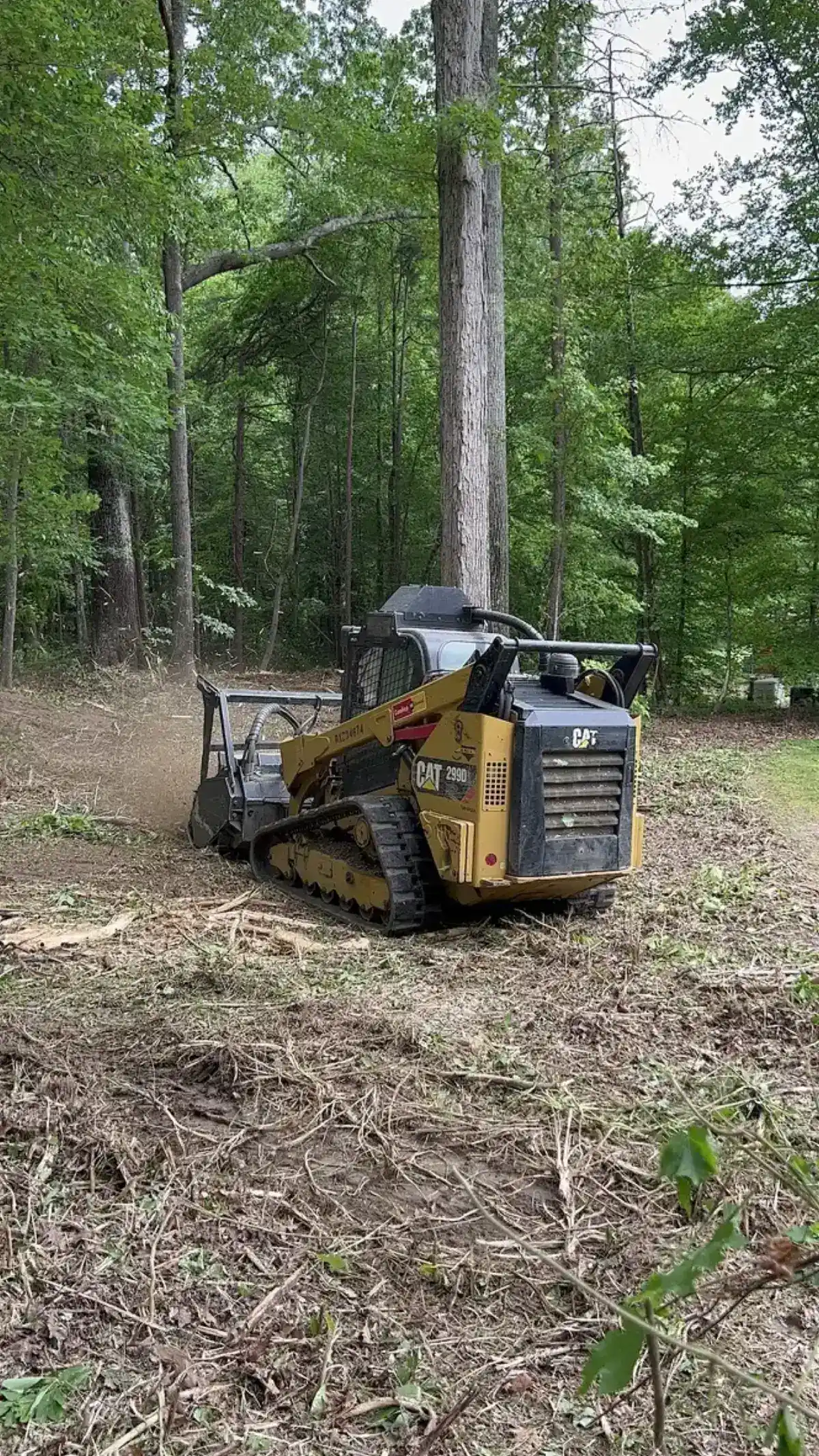
Gates, fences, buildings, trees, utilities, driveways, and finished surfaces all affect access. Before the visit, list the features between the street or driveway and the problem area. Share any known access restrictions and the places where everyday household or property use must continue.
The contractor can then consider the equipment approach and soil movement in context. Do not remove a fence, tree, or other feature simply to prepare for a quotation. First discuss what the proposed scope needs and what should be protected.
Ask How the Water Path Connects to the Rest of the Property
A low spot is only one part of the drainage picture. Ask where water comes from, how it would cross the proposed grade, and where it can leave the area. Nearby buildings, patios, walks, and neighboring ground should be part of that discussion. Moving water out of one patch of lawn should not create a new problem at the next edge.
Some properties need surface shaping; others need grading coordinated with a swale, collection point, stone, planting, or another drainage measure. Our land grading and drainage assessment describes that distinction. Clearing, debris removal, and preparation for several phases of outdoor work belong in the broader site preparation conversation.
Discuss Soil Condition and the Work Sequence
Winston-Salem and the Piedmont Triad have clay-heavy soils and periods of heavy rain. Wet clay can be difficult to shape and finish, so an assessment should account for current conditions rather than treating every week as interchangeable. Ask what needs to happen before equipment work and what follows before the area is ready for routine use.
There is no useful universal project duration or flat price for every yard. Area, elevation change, access, imported or removed material, drainage work, and the final finish all affect the scope. Ask for property-specific timing after those details are reviewed. For the next conversation, read how to compare written regrading scopes or the North Carolina grading cost guide.
Bring a Short Assessment Checklist
- Rain-day photos showing the wider water path and the problem area.
- The property location and the areas you want changed or kept in use.
- The intended final surface, such as sod, seed, planting, stone, or hardscape preparation.
- Known gates, fences, utilities, trees, hard surfaces, and access constraints.
- Questions about soil movement, drainage coordination, stabilization, and the work sequence.
Webber Landscaping is based in Winston-Salem and serves the surrounding Piedmont Triad. Request a free on-site land grading estimate and share what the yard is doing today and what you want it to support next.