
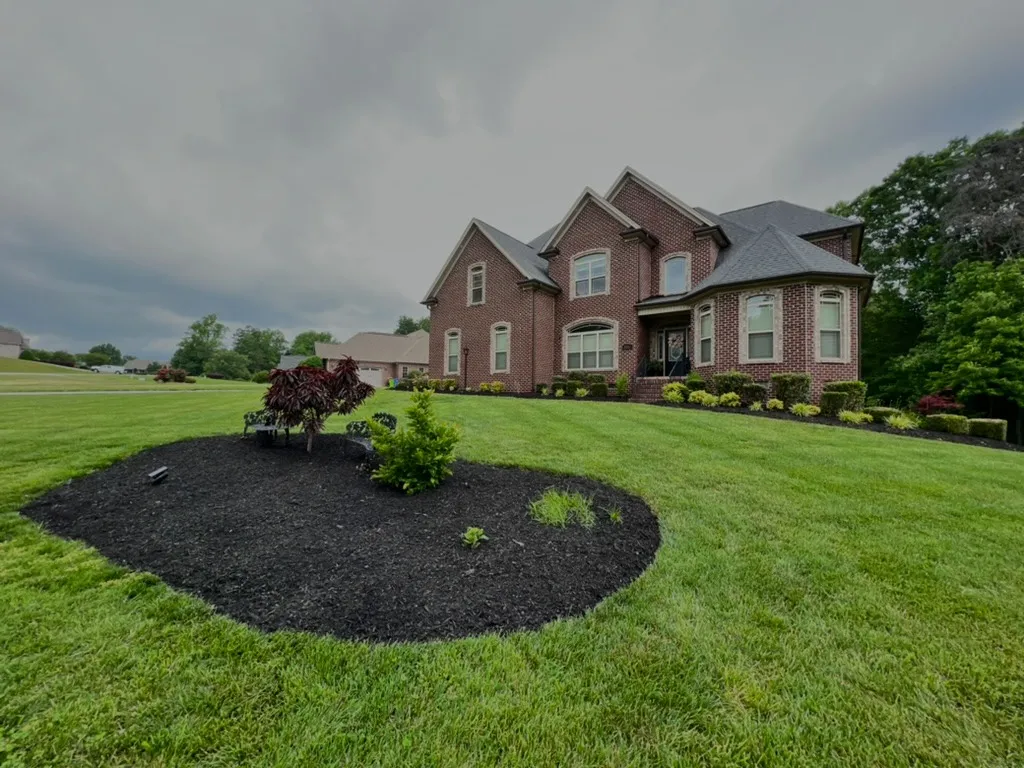
Preparing Piedmont Properties Before the Next Phase Begins
Grading and site preparation set the conditions for everything that follows outside a home, business, or construction site. Before sod is installed, a patio is built, a driveway extension is finished, or a drainage correction is made, the surface has to be shaped, compacted, and cleaned up with the finished use in mind. Webber Landscaping helps Winston-Salem and Piedmont Triad property owners prepare outdoor areas so the next phase can start on a stable, workable base.
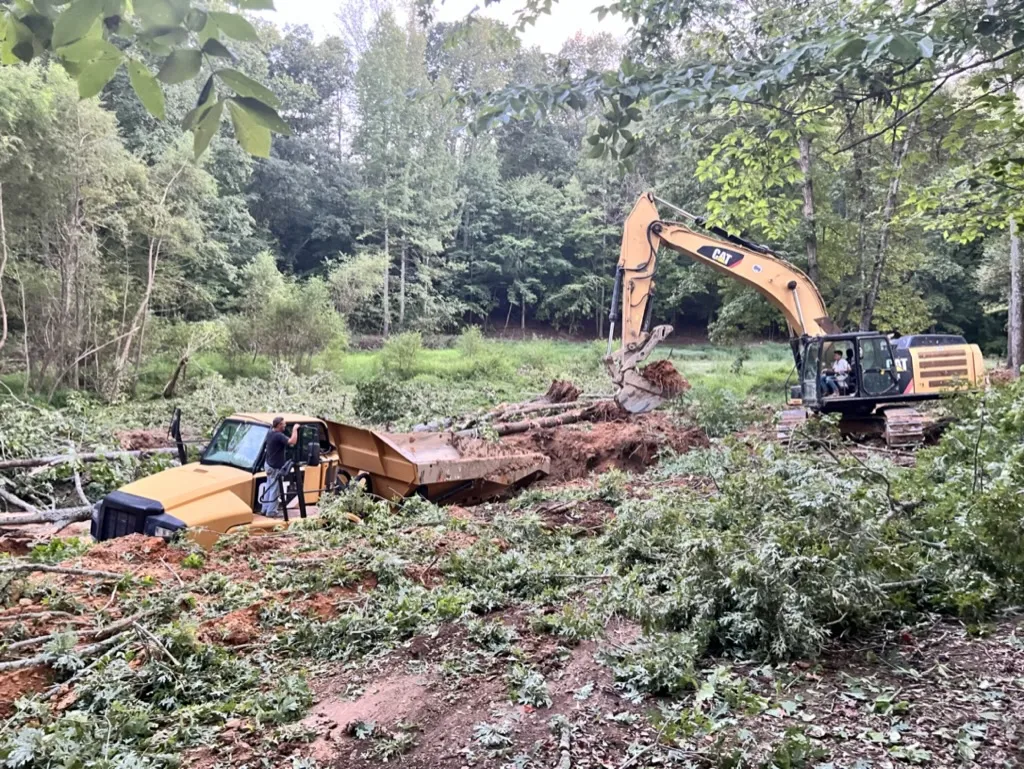
Site preparation is especially important on properties with red clay, low spots, recent construction traffic, erosion scars, or leftover debris from clearing work. A yard can look nearly ready from a distance while still holding water, shedding runoff toward a foundation, or hiding soft areas that will settle after the first few storms. Our crew evaluates access, slope, soil condition, existing hardscapes, downspout discharge, and the final use of the area before equipment starts moving material.
We handle practical preparation for lawns, planting areas, commercial frontage improvements, small building pads, drainage repairs, hardscape bases, and landscape renovation projects. For work focused on reshaping elevations, runoff paths, and uneven ground, review our land grading service. The goal is not simply to move dirt. The goal is to leave the site cleaner, more predictable, and ready for the service that comes next.
What We Review Before Equipment Arrives
Access and Staging
We look at gate width, driveway protection, parking areas, soil stockpile locations, utilities, slopes, and where equipment can move without damaging finished surfaces. Good staging keeps the work efficient and protects the rest of the property.
Runoff Direction
Every preparation plan considers where water will travel during heavy rain. We identify foundation risks, low lawn pockets, hardscape edges, and drainage outlets so the prepared surface supports long-term performance.
Soil Condition
Piedmont clay may need loosening, shaping, or compaction depending on the final use. A sod area, gravel base, planting bed, and patio foundation each require a different finish.
Debris Removal
Old roots, stones, construction scraps, clumps of clay, and failed turf can interfere with a clean finish. We remove or relocate material that would compromise the next installation.
Elevation Transitions
We pay close attention to walkways, patios, curbs, garage aprons, fence lines, and neighboring lots so transitions feel natural and avoid abrupt drops or trip hazards.
Finish Requirements
The final pass is different for seed, sod, mulch, gravel, concrete preparation, or paver work. We match the surface texture and compaction to the next trade or service.
Site Preparation for Lawns, Hardscapes, Drainage, and Renovations
New Lawn and Sod Areas
Fresh sod and seed perform better when the soil is shaped before installation. We remove failed turf, correct small humps and depressions, address compaction, and prepare the surface so new grass can root evenly. For properties where builders left rough clay or wheel ruts, this step can make the difference between a lawn that establishes cleanly and a lawn that struggles through the first season.
Preparation also helps with mowing quality. A smoother surface reduces scalping, improves drainage after storms, and makes the lawn easier to maintain once weekly service begins. When needed, we coordinate site preparation with sod installation or ongoing lawn mowing service.
Hardscape and Outdoor Living Bases
Patios, walkways, retaining walls, fire pit areas, and outdoor living spaces need more than a cleared footprint. The ground beneath them must be excavated, compacted, and shaped so the finished surface drains properly and resists movement. We prepare areas for hardscaping and construction by paying attention to base depth, slope, soil stability, and how the new feature will meet the surrounding grade.
Good preparation protects the investment. It reduces settling, keeps water from collecting against edges, and helps the completed project feel integrated into the property instead of dropped onto an uneven yard.
Drainage and Erosion Repairs
Many site preparation calls begin with a water problem. Low spots hold water after rain, downspouts discharge across bare clay, hillsides wash mulch away, or a new project changes how runoff moves. We shape the area so water has a better path, then recommend the right finish for the site, whether that means sod, stone, a swale, soil stabilization, or additional landscape work.
Because Piedmont storms can be intense, we do not treat drainage as an afterthought. The prepared surface should move water away from foundations, protect planting areas, and reduce repeat maintenance after heavy rain.
Commercial and HOA Improvements
Commercial properties and HOA common areas often need preparation before curb appeal upgrades, entrance renovations, parking island repairs, or turf replacement. We plan around tenant access, pedestrian safety, parking flow, and the image the property needs to present during the work. Clear staging and cleanup matter as much as the final grade on busy sites.
For property managers, we can pair preparation with commercial services, grounds maintenance, planting, mulch, or follow-up lawn care so the improvement does not stall between vendors.
How Our Site Preparation Process Works
1. Walk the Site
We review the area in person, discuss the final use, note access constraints, and identify drainage concerns before recommending a scope.
2. Define the Finish
We clarify whether the area is being prepared for sod, seed, stone, mulch, hardscape base, construction access, or a general cleanup finish.
3. Move and Shape Material
Our crew removes debris, cuts down high spots, fills appropriate low areas, and shapes transitions so the prepared surface matches the plan.
4. Manage Water Paths
We check how runoff will leave the area and make adjustments that reduce standing water, erosion, and flow toward structures.
5. Compact or Loosen Soil
Depending on the finish, soil may need firm compaction for a base or a looser surface for planting and turf establishment.
6. Clean the Work Area
We leave the project area organized, with edges, access points, and surrounding hard surfaces cleaned up for the next phase.