
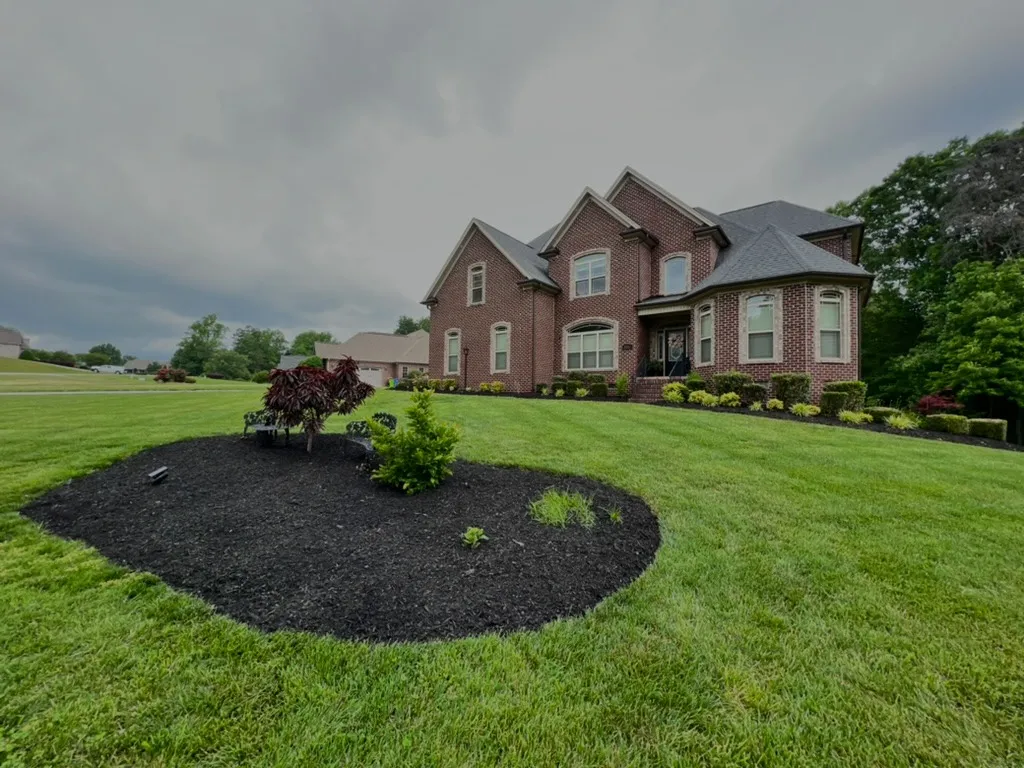
Landscape maintenance protects the parts of a property that mowing alone cannot fix: planting beds, shrubs, mulch lines, small trees, seasonal debris, and the edges around entrances, patios, signs, walkways, and common areas. When those details are ignored, a landscape can look tired even when the grass is cut.
Webber Landscaping provides landscape maintenance for residential, HOA, church, retail, and small commercial properties across Winston-Salem, Greensboro, High Point, Kernersville, Clemmons, and the wider Piedmont Triad. The work can include bed cleanup, shrub pruning, mulch refreshes, seasonal cutbacks, plant-health observations, leaf removal, and touchups around high-visibility areas.
For one plan that includes turf mowing and bed work together, visit Landscape and Lawn Maintenance. If the priority is only scheduled grass cutting, start with Lawn Mowing Service.
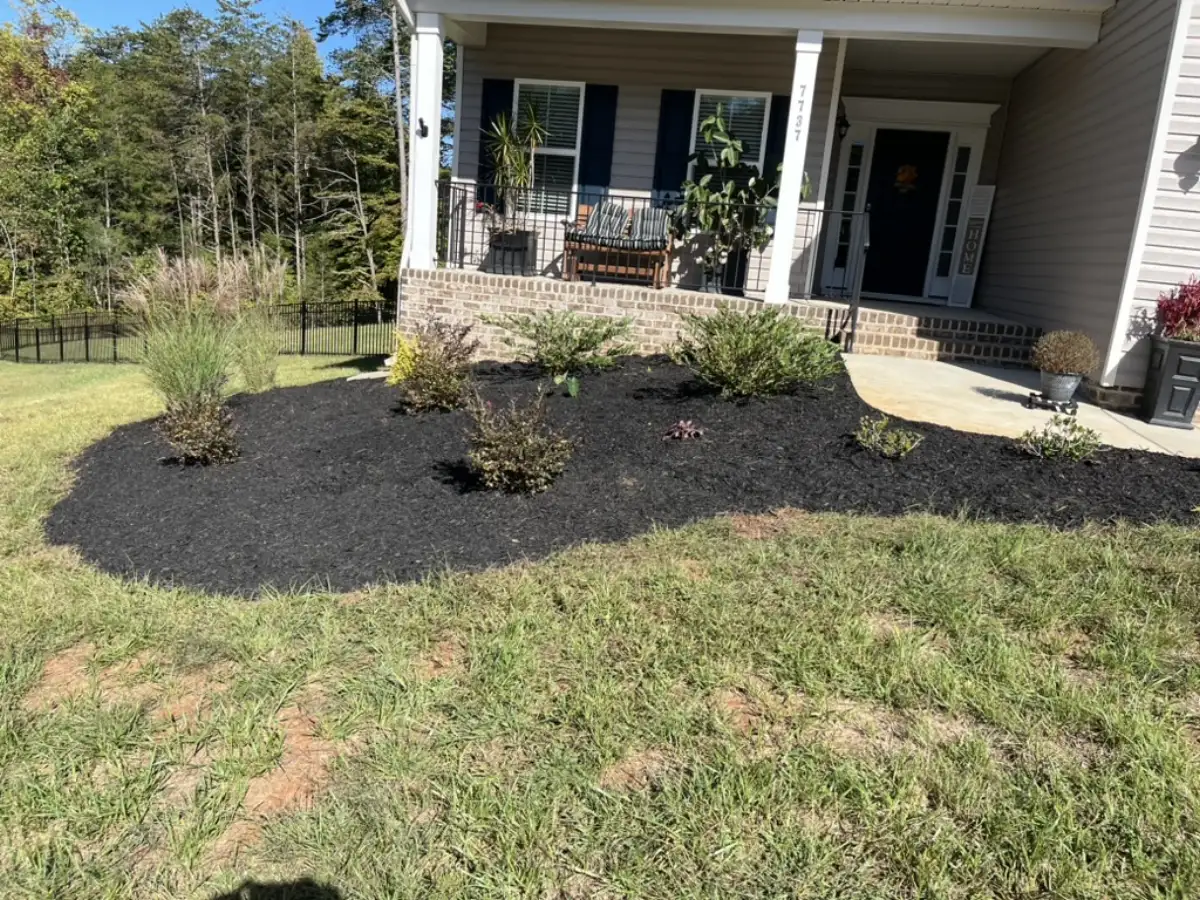
Bed, Shrub, and Seasonal Care
Landscape maintenance is built around the details customers notice at walking speed. Webber Landscaping keeps beds clean, shrubs shaped, mulch lines neat, and entrances ready for guests without treating every property like it needs the same visit every week. We match the scope to the site: a residence may need seasonal pruning and mulch refreshes, while a retail or church property may need routine detail around signs, sidewalks, parking islands, and front doors.
Planting Bed Detail
- Hand cleanup in visible planting beds and entrance areas
- Weed removal and bed-edge touchups where growth is visible
- Mulch or pine straw refresh recommendations
- Debris removal from shrubs, beds, and hardscape edges
- Notes on declining plants, washouts, or bare soil
Shrub and Seasonal Detail
- Shrub pruning and shaping during the appropriate season
- Bed weeding and plant health monitoring
- Annual mulch application and pine straw installation
- Fall leaf removal and winter bed cleanup
- Seasonal color change-outs (spring and fall)
- Cutbacks, light cleanup, and storm-debris attention
Each maintenance recommendation considers plant type, growth rate, sun exposure, drainage, foot traffic, and the level of visibility for each bed. Fast-growing hollies, ligustrum, laurels, and ornamental grasses may need more frequent shaping during the warm season, while flowering shrubs need timing that protects blooms. Mulch depth is also reviewed so beds look fresh without burying root flares or trapping excess moisture against trunks and foundations.
Where Landscape Detail Has the Biggest Impact
Good landscape maintenance starts by finding the areas that shape the first impression: front beds, signage, parking islands, entry walks, patios, mailbox areas, clubhouse entrances, church entries, and the beds customers or guests pass first. Those areas deserve a different level of attention than low-visibility back corners.
During a walkthrough, Webber Landscaping reviews shrub size, plant spacing, mulch condition, soil washout, weed pressure, bed edging, drainage around plantings, and the amount of seasonal debris the property receives. The plan may be monthly, seasonal, or paired with an existing mowing route, depending on how much detail the site needs.
Because Piedmont Triad weather can change quickly, landscape maintenance also helps catch small problems early. Washed mulch, exposed clay, declining shrubs, limbs over walkways, and beds collecting leaves can all make a property look poorly maintained before a major renovation is needed.
Priority zones reviewed first
For commercial and shared properties, the walkthrough also looks at practical access: where crews can park, which beds need to stay clear during business hours, how debris will be removed, and which entrances should be completed first.
For residential properties, the focus may be privacy screens, foundation plantings, outdoor living areas, pool edges, mailbox beds, and the view from the street. That planning helps the finished visit look intentional instead of rushed.
Bed Care Calendar for the Piedmont Triad
Winston-Salem landscapes need different maintenance attention throughout the year. Spring growth can make bed edges disappear quickly, summer heat stresses newer plantings, fall leaves collect in shrubs and groundcovers, and winter is often the best time to correct structure before the next growing season. A seasonal plan keeps the property moving through those changes without waiting until beds are overgrown.
| Season | Key Tasks | Frequency |
|---|---|---|
| Spring (Mar-May) | Clean winter debris, refresh mulch or pine straw, edge beds, and prune spring-blooming shrubs after flowering | Seasonal refresh plus detail visits |
| Summer (Jun-Aug) | Control bed weeds, shape fast-growing shrubs, monitor heat stress, and keep entrances from looking overgrown | Monthly or as needed |
| Fall (Sep-Nov) | Remove leaves from beds, cut back spent growth, reset mulch washouts, and prepare visible areas for cooler weather | Seasonal cleanup |
| Winter (Dec-Feb) | Dormant pruning, storm debris cleanup, bed inspection, and planning for spring planting or mulch work | As needed |
Seasonal timing matters most with pruning. Azaleas, hydrangeas, camellias, and other flowering plants can lose the next bloom cycle if they are cut at the wrong time. Formal hedges may tolerate more frequent shaping, but mixed foundation plantings often look better when each plant is maintained according to its natural form. Webber Landscaping balances clean lines with plant health so the property looks cared for and the landscape continues to mature.