
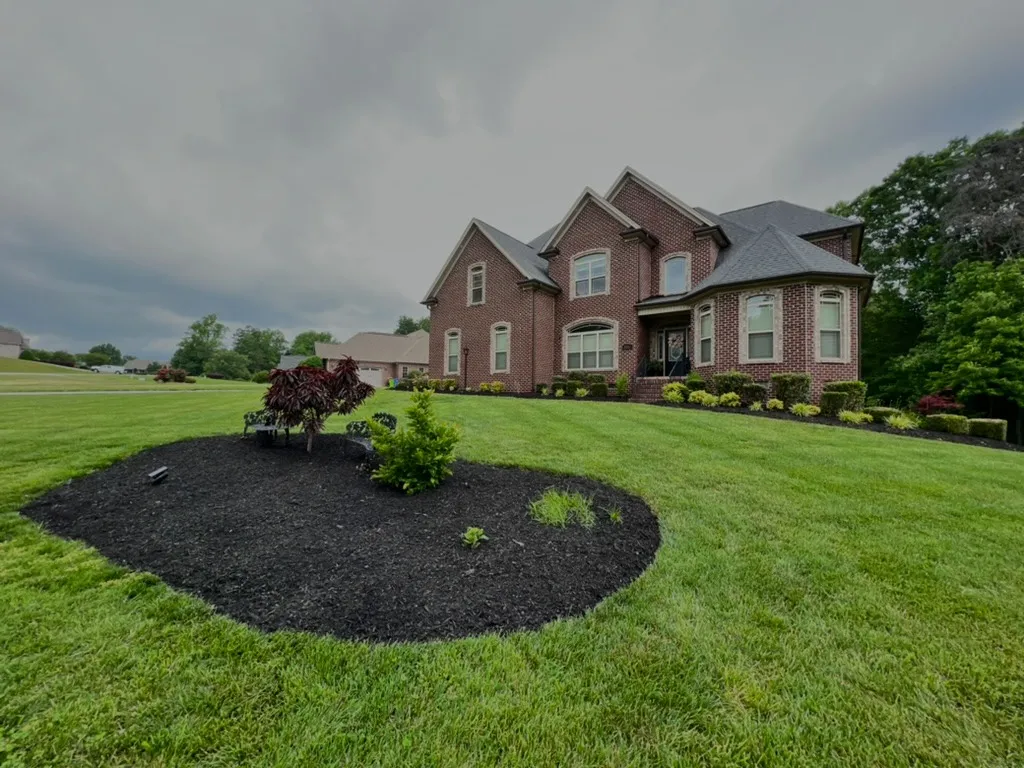
Land grading in North Carolina typically costs between $1,000 and $10,000 for residential projects, with the average homeowner spending $3,000 to $5,000. Commercial grading projects range from $5,000 to $50,000 or more depending on acreage and complexity. These costs are influenced by soil conditions, slope severity, accessibility, drainage requirements, and whether permits are needed from your local municipality.
Understanding what drives land grading costs helps you budget accurately and avoid surprise charges. This guide breaks down pricing by project type, explains the factors that move costs up or down, and covers the specific considerations that affect grading work in the Piedmont Triad region of North Carolina.
Average Land Grading Costs in North Carolina
The table below shows typical price ranges for common grading projects in the NC Piedmont region as of 2026. Actual costs vary based on the factors discussed in the following section.
| Project Type | Typical Size | Cost Range | Average Cost |
|---|---|---|---|
| Yard regrading (drainage fix) | 1,000 - 3,000 sq ft | $1,000 - $3,500 | $2,000 |
| Full yard grading | 5,000 - 10,000 sq ft | $2,500 - $6,000 | $4,000 |
| New construction lot | 0.25 - 0.5 acre | $3,000 - $10,000 | $5,500 |
| Driveway grading | 500 - 2,000 sq ft | $500 - $2,500 | $1,200 |
| Lot clearing + grading | 0.5 - 1 acre | $5,000 - $15,000 | $8,000 |
| Commercial site prep | 1 - 5 acres | $10,000 - $50,000+ | $25,000 |
| Foundation grading | Around foundation perimeter | $1,500 - $5,000 | $2,800 |
These figures include equipment, labor, and basic materials. They do not include soil testing, permit fees, erosion control measures, or follow-up services like sod installation or seeding, which are typically quoted separately.
Factors That Affect Land Grading Cost
No two grading projects are identical. The following factors explain why costs vary significantly from one project to the next, even for properties that appear similar on the surface.
Soil Type and Condition
North Carolina's Piedmont region is known for its red clay soil, which presents unique grading challenges. Clay soil is dense and heavy when wet, making it difficult to work with and requiring more equipment time per cubic yard moved. According to the USDA Natural Resources Conservation Service, Piedmont clay soils have a permeability rate of only 0.06 to 0.20 inches per hour, compared to 2.0 to 6.0 inches per hour for sandy soils. This low permeability is exactly why drainage grading is so critical in our region.
If your soil is heavily compacted or contains significant rock, costs increase by 15-30% due to the additional equipment and time required to break up and move the material.
Slope and Elevation Changes
The greater the slope correction needed, the more dirt must be moved. Simple regrading on a relatively flat property with minor drainage issues is straightforward. Correcting a significant slope or creating level terraces for building pads involves substantially more earthwork. Projects requiring more than 12 inches of elevation change across the work area typically fall in the upper half of the cost ranges listed above.
Site Accessibility
Grading equipment needs room to operate. If the work area is accessible only through narrow side yards, behind existing structures, or on steep terrain where standard equipment cannot safely operate, costs increase. Limited access may require smaller equipment that takes longer to complete the same work, or hand grading in tight areas, which is labor-intensive.
Permit Requirements
In Forsyth County and surrounding Piedmont Triad municipalities, grading permits are generally required for projects that disturb more than 20,000 square feet of land area or involve significant changes to drainage patterns. Permit fees in the Winston-Salem area typically range from $100 to $500 depending on project scope. For projects exceeding one acre, erosion and sediment control plans (approved by the NC Department of Environmental Quality) are mandatory, adding $500 to $2,000 in engineering costs.
Drainage Requirements
If your grading project includes installing drainage solutions such as French drains, catch basins, or underground drainage pipes, the cost increases accordingly. Basic surface grading to redirect water flow is on the lower end. Adding a French drain system runs $25 to $50 per linear foot. A complete drainage system with catch basins and underground piping adds $3,000 to $8,000 depending on the length and complexity.
Fill Dirt Needs
Some projects produce excess soil that needs to be hauled away, while others require imported fill dirt to build up low areas. In the Piedmont Triad, clean fill dirt costs $15 to $25 per cubic yard delivered. Topsoil for final grading runs $25 to $45 per cubic yard. A typical residential lot may need 10-50 cubic yards of fill material, adding $375 to $2,250 to the project cost.
When Do You Need Land Grading?
Land grading is not always obvious. Here are the most common situations where professional grading is necessary.
- Water pooling near your foundation. Standing water within 10 feet of your home's foundation is the number one reason homeowners need regrading. The ground should slope away from the foundation at a minimum of 6 inches over the first 10 feet.
- New construction preparation. Every new building needs a properly graded pad. This includes both the building footprint and surrounding areas for proper drainage, driveway access, and utility connections.
- Erosion damage. If rainfall has carved channels in your yard, washed away soil, or undermined walkways and driveways, regrading restores the proper surface contour and prevents further damage.
- Adding a patio, driveway, or outbuilding. Any hardscape addition requires a level, properly compacted base. Skipping the grading step leads to settling, cracking, and drainage problems.
- Yard renovation or new sod. Before installing new sod or seeding a lawn, the existing grade needs to be correct. Laying sod over improperly graded ground creates the same drainage problems you had before, just under a layer of grass.
- Septic system installation or repair. North Carolina requires specific grade specifications around septic drain fields. Improper grading can cause system failure and environmental contamination.
- Commercial site development. Parking lots, building pads, stormwater management areas, and ADA-compliant walkways all require precise grading to meet building codes and specifications.
The Land Grading Process Step by Step
Understanding the grading process helps you know what to expect and evaluate whether a contractor's proposal is comprehensive. Here is how a professional grading project unfolds.
Step 1: Site assessment and survey. A grading contractor evaluates the existing grade, identifies drainage patterns, checks soil conditions, and measures the scope of work. For larger projects, a land survey or topographic map may be required. This step determines the project plan and accurate cost estimate.
Step 2: Permits and utility marking. Before any equipment touches the ground, required permits are obtained and underground utilities are marked through NC 811 (call 811 at least 3 business days before excavation). This is not optional. Hitting an underground gas line or water main creates dangerous and expensive problems.
Step 3: Site preparation. Existing vegetation, debris, and obstacles are cleared from the work area. If topsoil preservation is part of the plan, the top 4-6 inches are stripped and stockpiled for later redistribution.
Step 4: Rough grading. Heavy equipment (typically a skid steer or small bulldozer for residential, larger dozers and excavators for commercial) moves soil to establish the new contours. This is the bulk of the earthwork phase where major elevation changes happen.
Step 5: Fine grading. After rough grading establishes the general contours, fine grading creates the smooth, precise surface needed for the final use. For lawn areas, the finish grade needs to be within 0.5 inches of the target elevation. For building pads and hardscape bases, tolerances are even tighter.
Step 6: Compaction. The graded soil is compacted to the appropriate density for its intended use. Building pads require 95% compaction (verified by a geotechnical engineer on commercial projects). Lawn areas need moderate compaction that is firm enough to resist settling but loose enough to support root growth.
Step 7: Drainage installation. If the project includes drainage solutions, they are installed after rough grading and before fine grading. This includes French drains, catch basins, downspout extensions, and any underground piping.
Step 8: Topsoil and stabilization. Stockpiled or imported topsoil is spread over the finish grade, and erosion control measures are installed. In North Carolina, disturbed soil must be stabilized within 14 days to comply with erosion control regulations. Stabilization methods include sod, seeding with erosion blankets, or temporary ground cover.
Piedmont-Specific Grading Considerations
Grading work in the Piedmont Triad comes with region-specific factors that directly affect project planning and cost.
Red clay soil challenges. The Cecil and Madison soil series that dominate the Piedmont region are clay-heavy soils that become extremely slick when wet and hard-packed when dry. Grading projects are best scheduled during periods of moderate soil moisture, typically spring and fall. Working clay soil when it is too wet creates compaction problems. Working it when it is too dry requires more equipment power and time to break up the surface.
Rainfall and drainage demands. The Winston-Salem area receives approximately 46 inches of rainfall annually, with the heaviest months being July and August. This subtropical climate means drainage grading is critical. Inadequate drainage around foundations and structures causes water intrusion, mold growth, and structural damage. The combination of high rainfall and low-permeability clay soil means surface drainage design must be more aggressive than in regions with sandy, well-draining soils.
Erosion control requirements. North Carolina's Sedimentation Pollution Control Act requires erosion and sediment control measures on all construction sites. Forsyth County enforces additional requirements for projects near streams, wetlands, or water supply watersheds. Your grading contractor should be familiar with local requirements and include compliance measures in their proposal.
Seasonal timing. The optimal grading window in the Piedmont is March through May and September through November, when soil moisture is moderate and temperatures support rapid revegetation. Summer grading is possible but requires more aggressive erosion control due to intense thunderstorms. Winter grading is feasible but frozen ground periods can delay completion.
How to Get an Accurate Grading Estimate
An accurate grading estimate requires an on-site visit. Any company that quotes grading work over the phone without seeing the property is guessing. Here is how to ensure you get a reliable estimate.
Get at least three bids. Three bids from licensed contractors give you a realistic range. If one bid is significantly lower than the others, ask why. It may indicate a less experienced contractor or a scope of work that does not fully address the problem.
Ensure the scope is detailed. The estimate should specify the area to be graded (in square feet), the approximate volume of soil to be moved, whether fill dirt is needed, what equipment will be used, and how long the project will take. Vague estimates like "regrade the backyard" leave too much room for misunderstanding.
Ask about drainage. If you are grading to fix drainage issues, the estimate should include a drainage plan, not just surface grading. Simply regrading without addressing the root cause of the drainage problem often leads to repeat issues.
Verify licensing and insurance. In North Carolina, grading contractors should carry general liability insurance and workers' compensation coverage. For projects that include erosion control, verify the contractor holds the appropriate state certifications.
Discuss stabilization. The estimate should include a plan for stabilizing the graded area after work is complete. This might be sod installation, hydroseeding, or erosion blankets with seed. Leaving bare, freshly graded soil exposed to rain creates erosion problems that undo the work you just paid for.
If you need professional land grading in the Piedmont Triad area, Webber Landscaping and Outdoor Solutions provides residential and commercial grading services across Winston-Salem, Greensboro, High Point, and surrounding communities. Request a free estimate or call us directly at (336) 770-2385 to discuss your project.