
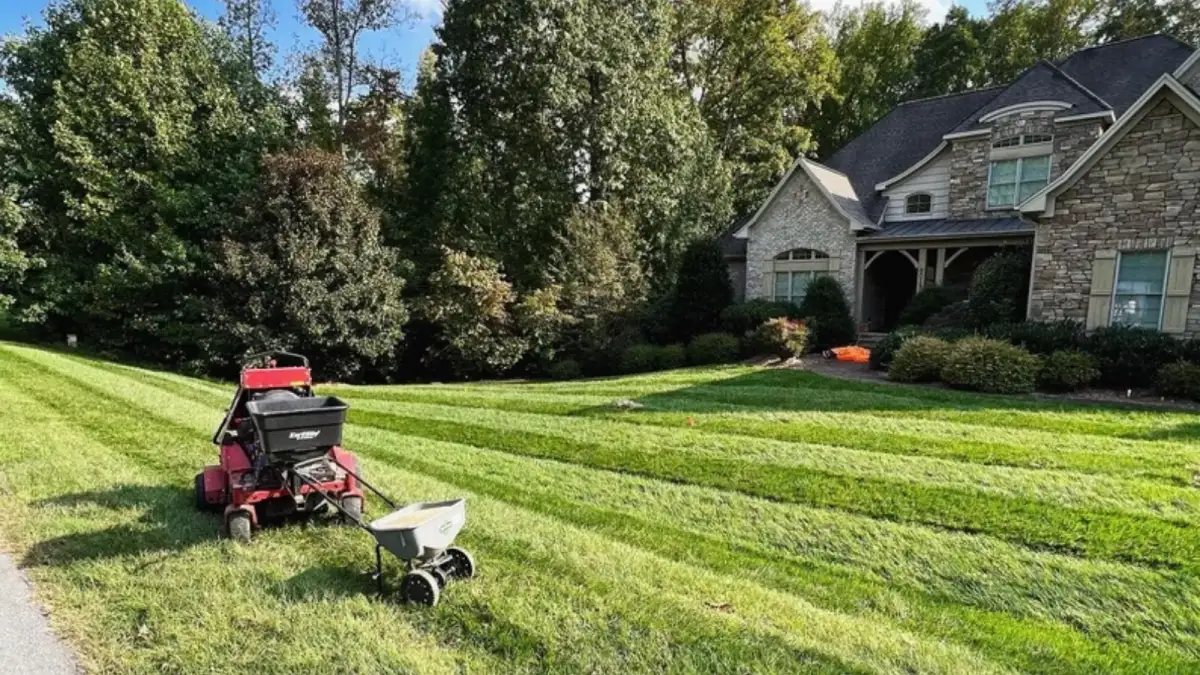
Choosing a lawn mowing service in Winston-Salem is easier when every quote describes the same job. A low advertised price may cover only a mower pass, while another estimate may include trimming, edging, hard-surface cleanup, and a recurring schedule. The useful question is not simply “What does one cut cost?” It is “What will be done on my property, and how will the plan handle growth, weather, and access?”
Webber Landscaping and Outdoor Solutions provides lawn mowing service for homeowners and property owners in Winston-Salem and nearby Piedmont Triad communities. Use the questions below to compare service scope and request an estimate that reflects the way your yard actually works.
What Does a Basic Lawn Mowing Visit Actually Include?
A basic visit should start with a written scope. It should identify the turf areas to be cut and say whether trimming around fences, trees, posts, beds, mailboxes, and other obstacles is included. It should also explain whether walks, driveways, patios, and curbs are edged and whether clippings are blown from hard surfaces before the crew leaves.
Do not assume “lawn care” means every outdoor task. Fertilization, weed treatment, pruning, leaf removal, bed maintenance, and seasonal cleanup may fall outside a mowing visit. If you want those tasks coordinated, compare the mowing scope with broader landscape maintenance instead of relying on the service name alone.
How Is a Lawn Mowing Price Built?
Search results often show per-cut averages, but a property-specific estimate is more useful. Mowable area matters, yet time around fences, trees, play equipment, narrow gates, slopes, drainage areas, and long paved edges can affect the job just as much. Current grass height and debris also matter because an overgrown first visit is different from a normal recurring visit.
Ask whether the estimate separates an initial reset from the ongoing price. Then confirm visit frequency, included cleanup, and any work that would be approved separately. That gives you a fair comparison without treating two different scopes as if they were the same service.
What Is the One-Third Rule, and Why Does Frequency Matter?
The one-third rule is a common mowing guideline: avoid removing more than roughly one-third of the grass blade in a single cut. Taking off too much at once can leave the lawn looking scalped and create heavier clippings. Regular mowing during active growth makes it easier to maintain a consistent height without asking one visit to correct several weeks of growth.
The guideline does not create one schedule for every yard. Turf type, rainfall, irrigation, sun, shade, and seasonal growth all change how quickly a lawn needs attention. A service provider should look at those conditions before recommending a frequency.
Should I Book Weekly or Occasional Mowing?
Many Winston-Salem lawns benefit from weekly lawn mowing service during active spring and summer growth. A predictable route helps keep height, edges, and cleanup consistent. It can be especially useful when the front yard is highly visible, when a rental property is managed off-site, or when several people depend on the lawn staying presentable.
Occasional mowing may fit slower growth, but it should not become an overgrowth cycle. Ask how the schedule changes as growth slows and what happens if the lawn becomes too tall between requested visits. A clear answer helps protect both the turf and the expected finish.
What Happens When Rain Interrupts the Schedule?
Heavy rain can make Piedmont soil too soft for mowing equipment. Pushing a visit onto saturated ground may leave ruts, compact weak areas, or spread wet clippings across the lawn. Ask how the company decides when to delay, how customers are notified, and how the route resumes once the property is workable.
Also mention low areas, drainage trouble, or irrigation timing before service begins. A place that stays wet long after the rest of the yard dries may need a different approach. Persistent standing water may call for land grading or drainage planning rather than repeated schedule changes.
What Property Details Should I Share Before the First Visit?
Small details can determine whether a crew can complete the full scope. Share gate locations and widths, pet instructions, locked areas, parking limits, steep slopes, play equipment, exposed roots, sprinkler heads, utility covers, garden borders, and anything that could be hidden by tall grass. Move toys, hoses, and lightweight furniture when possible so the visit is spent caring for the lawn.
If you are requesting an estimate, include the address, the areas to be mowed, current lawn height, preferred frequency, and any cleanup concerns. Photos can help explain access or overgrowth, although a larger or more complex property may still need a walkthrough.
When Is Mowing the Wrong First Service?
Mowing maintains turf; it does not repair every lawn problem. Bare areas, deep ruts, ongoing standing water, heavy brush, fallen limbs, and buried bed edges may need attention before a recurring schedule can produce a clean result. An initial cleanup can reset an overgrown yard, while drainage or grading work may be more appropriate for a persistent low spot.
Thin or failed turf may also need soil preparation and sod installation. A useful estimate should separate those one-time needs from recurring mowing so you can prioritize the property without paying for a mower to revisit a problem mowing cannot solve.
How Do I Compare Two Mowing Quotes Fairly?
Put the scopes side by side. Compare included turf areas, trimming, edging, blowing, clipping handling, visit frequency, rain delays, initial overgrowth, gate access, and approval for extra work. Confirm who communicates schedule changes and whether the recurring price assumes the property starts in maintainable condition.
For another planning perspective, read our guide to mowing frequency, initial cleanup, and recurring service. The strongest choice is the one that gives you a clear finish standard and a practical plan for your property—not simply the shortest quote.
Ready to Discuss Your Winston-Salem Lawn?
Webber Landscaping can review the property, clarify what belongs in the mowing visit, and explain whether cleanup or another service should come first. Request a free estimate through the contact page or call (336) 770-2385.