
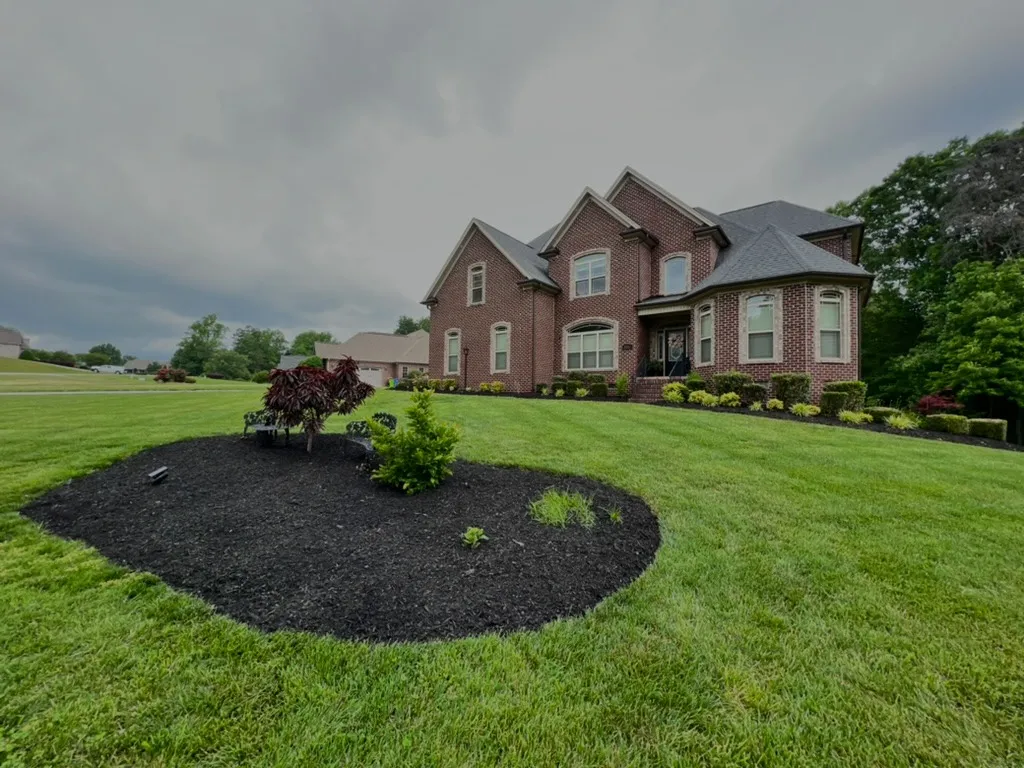
The best time to install sod in North Carolina is late April through mid-June for warm-season grasses and mid-September through mid-October for cool-season varieties. If you are in Winston-Salem or anywhere in the Piedmont Triad, right now -- early to mid-May -- is the single best window of the year to lay new sod and get the strongest possible establishment before summer heat arrives.
Timing matters more than most homeowners and property managers realize. Sod installed during the wrong season struggles to root, wastes water, and often fails entirely. This guide covers exactly when to install each grass type in the Piedmont, how to prepare your site, what the process looks like from start to finish, and how to take care of new sod during the critical first weeks after installation.
Why Late Spring Is the Ideal Sod Installation Window
The Piedmont Triad sits in USDA Hardiness Zones 7b and 8a, which puts it squarely in the transition zone where both warm-season and cool-season grasses can grow. That flexibility is an advantage, but it also means your installation timing depends entirely on the grass type you choose.
For the warm-season grasses that perform best in the Piedmont -- Bermuda, Zoysia, and Centipede -- late spring is ideal because soil temperatures have climbed above 65 degrees and the grass is entering its most aggressive growth phase. Roots establish faster in warm soil with long daylight hours. The sod knits into the existing ground within 10 to 14 days under good conditions, and by the time July heat arrives, the root system is deep enough to handle drought stress without supplemental watering beyond normal rainfall.
Cool-season grasses like Tall Fescue follow the opposite schedule. They establish best in early fall when soil temperatures are dropping through the 60s and 70s. Installing fescue sod in May is possible but risky in the Piedmont -- the grass roots during spring but then faces its hardest survival test (July and August heat) before the root system is fully mature.
Month-by-Month Sod Installation Guide for the Piedmont Triad
April: Early Window Opens
By mid-April, Forsyth County soil temperatures typically reach 60 to 65 degrees at a 4-inch depth. This is warm enough for warm-season sod to begin rooting, though growth is slower than it will be in May. April installations work well if you need the lawn ready for a specific event or if your project involves land grading that needs to happen before the ground gets too wet from spring storms. The risk is a late cold snap -- the Piedmont occasionally gets frost into early April, and newly laid sod has no root anchor to survive freezing ground.
May: Prime Installation Month
May is the best month to install sod in the Piedmont Triad. Soil temperatures are consistently above 65 degrees. Bermuda and Zoysia are in their peak growth phase. Rainfall is generally reliable enough to supplement irrigation without running up your water bill. The ground has dried out from the heaviest spring rains, which makes soil preparation and grading more efficient. Most of our sod installation projects in Winston-Salem, Greensboro, and High Point are scheduled during May for exactly these reasons.
June: Still Good, More Irrigation Needed
Early June installations perform well as long as you commit to a consistent watering schedule. By mid-June, daytime temperatures regularly hit the upper 80s and low 90s in the Piedmont, which increases evaporation and puts stress on newly laid sod before it has rooted. If you install in June, plan to water twice daily for the first two weeks -- once in the early morning and once in the late afternoon. The water cost is higher than a May installation, but the sod still establishes successfully with proper care.
July and August: High Risk
Summer installations are possible but not recommended in the Piedmont. Soil temperatures above 85 degrees stress root development. Water demand is extreme. Bermuda sod can handle mid-summer installation better than Zoysia because of its aggressive growth rate, but you will spend significantly more on irrigation and risk losing sections of sod to heat stress, especially on south-facing slopes and areas without afternoon shade. Unless you have an emergency situation -- severe erosion, a construction deadline, or a code compliance issue -- wait until fall or the following spring.
September and October: Cool-Season Window
If you prefer Tall Fescue (which stays green year-round in the Piedmont, unlike Bermuda and Zoysia), September through mid-October is your window. Soil temperatures drop through the 70s and 60s, cool-season grass roots aggressively, and fall rainfall reduces irrigation needs. This is also the window for overseeding existing fescue lawns, which is a lower-cost alternative to full sod replacement if your lawn is thin but not bare. For more on seasonal timing for all lawn care tasks, see our seasonal lawn care guide for the Piedmont Triad.
Choosing the Right Sod Type for the Piedmont
The grass type you select determines your installation window, maintenance requirements, and long-term appearance. Here are the four most common options for landscaping in the Piedmont Triad.
Bermuda Grass
Bermuda is the top choice for full-sun residential and commercial properties in Winston-Salem. It handles heavy foot traffic, recovers quickly from damage, and thrives in the Piedmont's summer heat. Bermuda requires full sun (at least 6 to 8 hours daily) and goes dormant (turns brown) from late November through March. It is the most drought-tolerant option once established and mows cleanly at 1 to 2 inches with a reel or rotary mower.
Best installed: Late April through mid-June. Soil temperature minimum: 65 degrees.
Zoysia Grass
Zoysia offers a denser, carpet-like texture compared to Bermuda and tolerates moderate shade (4 to 6 hours of sun). It is slower to establish but extremely durable once rooted. Zoysia handles the Piedmont's clay soil well and requires less frequent mowing than Bermuda because it grows more slowly. Like Bermuda, it goes dormant in winter. Zoysia is a premium sod option and costs 20 to 30 percent more than Bermuda per pallet.
Best installed: May through early June. Soil temperature minimum: 70 degrees.
Tall Fescue
Tall Fescue is the only common lawn grass in the Piedmont that stays green through winter. It handles moderate shade well and adapts to the region's clay soils. The trade-off is that fescue is a cool-season grass living at the southern edge of its range -- it struggles in July and August heat and typically needs overseeding every fall to maintain density. Fescue is the preferred choice for shaded properties and homeowners who want a green lawn 12 months a year.
Best installed: Mid-September through mid-October. Spring installation (March to April) is a distant second choice.
Centipede Grass
Centipede is the low-maintenance warm-season option. It requires less fertilizer and less frequent mowing than Bermuda or Zoysia. It grows slowly, prefers acidic soil (which the Piedmont naturally provides), and handles partial shade. Centipede does not tolerate heavy traffic well, which limits its use on commercial properties and active-use lawns. It works best for larger residential lots where a low-input, low-maintenance lawn is the priority.
Best installed: Late May through June. Soil temperature minimum: 70 degrees.
Soil Preparation: The Step That Determines Success
Sod installation is only as good as the soil underneath it. The Piedmont Triad's heavy red clay creates specific challenges that must be addressed before a single roll of sod hits the ground.
Soil testing. The NC Department of Agriculture provides free soil testing for North Carolina residents. Submit a sample 4 to 6 weeks before your planned installation date. The results tell you the exact pH and nutrient levels, along with specific amendment recommendations. Most Piedmont soils test between 5.5 and 6.5 pH, which is acceptable for Bermuda and Zoysia but may need lime for fescue (which prefers 6.0 to 6.5).
Grading. Proper land grading before sod installation ensures water drains away from your foundation and does not pool in low spots. The general rule is a minimum 2 percent slope away from structures -- that works out to about a quarter inch of drop per foot. For properties with significant slope issues or poor drainage, grading is not optional. It is the foundation that makes everything else work. Our team handles grading and sod installation as a single project, which saves time and ensures the grade is correct before the sod goes down.
Soil amendment. Pure red clay compacts tightly, restricts root growth, and drains poorly. Adding 2 to 3 inches of quality topsoil or composted organic matter over the existing clay and tilling it into the top 4 to 6 inches creates the loose, well-drained root zone that sod needs. This step adds cost to the project but dramatically improves establishment rates and long-term lawn health.
Final grading and rolling. After amendments are mixed in, the surface needs to be raked smooth and rolled to eliminate air pockets. The finished grade should sit about 1 inch below the level of adjacent sidewalks and driveways so the sod surface ends up flush after installation.
What Sod Installation Costs in the Piedmont Triad
Sod installation costs in Winston-Salem and the surrounding Triad area typically range from $1.50 to $3.00 per square foot installed, depending on the grass type, site conditions, and whether soil preparation or grading is needed. Here is a general breakdown.
Sod material only: $0.40 to $0.80 per square foot depending on variety. Bermuda is at the lower end, Zoysia at the higher end.
Professional installation (labor + material): $1.50 to $2.50 per square foot for flat, accessible sites with minimal prep. Add $0.50 to $1.00 per square foot if the site needs grading, topsoil, or significant debris removal.
Typical project sizes: A 2,000-square-foot front yard runs $3,000 to $5,000 installed. A full residential lot (5,000 to 8,000 square feet of lawn area) runs $7,500 to $20,000 depending on scope. Commercial properties vary widely based on acreage and access. For a detailed look at grading costs specifically, see our land grading cost guide for North Carolina.
Caring for New Sod: The First 30 Days
The first month after installation is the most critical period. How you water, mow, and manage traffic during this window determines whether the sod thrives or struggles.
Week 1: Heavy Watering
Water new sod immediately after installation -- do not wait until the next day. For the first 7 days, water twice daily (early morning and late afternoon) to keep the sod and the soil beneath it consistently moist. The goal is to keep the soil wet to a depth of 3 to 4 inches. Lift a corner of the sod to check -- the bottom should be damp, not dry or muddy.
Weeks 2 and 3: Transition Watering
Reduce watering to once daily, then every other day as the sod begins to root. You can check root establishment by gently tugging a corner of the sod. If it resists, roots are anchoring. By the end of week 3, most warm-season sod in the Piedmont has rooted enough to resist a light tug.
Week 4: Normal Schedule
Transition to a deep-watering schedule: 1 inch of water per week, applied in one or two sessions rather than daily light watering. Deep, infrequent watering encourages roots to grow downward rather than staying near the surface. This is especially important in the Piedmont's clay soil, which holds moisture longer than sandy soils.
First Mowing
Wait until the sod has fully rooted (typically 2 to 3 weeks for Bermuda, 3 to 4 weeks for Zoysia) before the first mow. Set your mower to the highest setting for the first cut. Never remove more than one-third of the blade height in a single mowing. For ongoing weekly lawn mowing, Bermuda performs best at 1 to 2 inches and Zoysia at 1.5 to 2.5 inches.
Traffic
Keep foot traffic, pets, and equipment off new sod for at least 2 weeks. Walking on unrooted sod shifts the pieces, creates gaps between rolls, and compresses the soil underneath. For commercial properties where foot traffic is unavoidable, install temporary walkway barriers to protect the new lawn.
Signs Your Property Needs New Sod
Not every lawn problem requires full sod replacement. But these situations typically call for new sod rather than seeding, patching, or overseeding.
More than 50 percent bare soil. If your lawn is more dirt than grass, seeding will take 2 to 3 months to fill in and leaves bare soil exposed to erosion during that entire period. Sod gives you an instant lawn with immediate erosion control.
New construction or renovation. Grading, trenching, and construction equipment destroy existing turf. New sod after construction restores the lawn in days rather than months.
Severe weed infestation. When weeds have taken over more than half the lawn, it is often more cost-effective to kill everything, grade, and start fresh with sod than to fight weeds season after season.
Drainage corrections. If your property needs regrading to fix water pooling or foundation drainage issues, new sod is part of the solution. You cannot regrade without removing the existing lawn, and sod is the fastest way to restore it after the grade is corrected.
Switching grass types. Converting from fescue to Bermuda (or vice versa) requires killing the existing lawn and starting over. Sod is the only practical option for a grass-type conversion because it provides immediate, uniform coverage.
The Bottom Line
If you are planning a sod installation in the Piedmont Triad, May is the month to act. Soil temperatures are right, the growing season is ahead of you, and warm-season grasses have the maximum runway to establish deep roots before summer heat and winter dormancy. Invest in proper soil preparation, choose the right grass type for your sun exposure and maintenance preferences, and follow a disciplined watering schedule for the first month.
For properties that need mulch and bed work alongside new sod, our spring mulching guide covers timing and material selection for the Piedmont's climate.
Webber Landscaping provides complete sod installation services across the Piedmont Triad, including soil testing, grading, soil amendment, and post-installation care guidance. We serve homeowners and commercial properties in Winston-Salem, Greensboro, High Point, Kernersville, Clemmons, and surrounding communities. Request a free estimate or call (336) 770-2385 to schedule your sod installation project.