
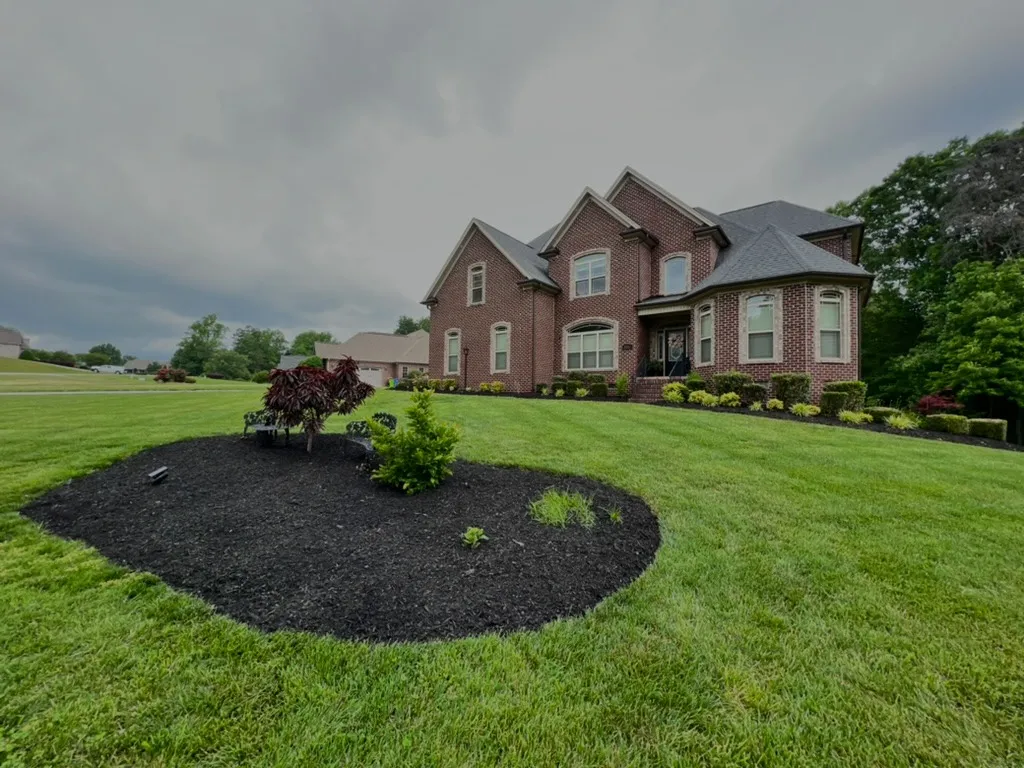
Lawn care in Winston-Salem and the Piedmont Triad is not a one-size-fits-all proposition. The region sits in USDA Hardiness Zones 7b and 8a, placing it squarely in the transition zone where both warm-season and cool-season grasses can grow but neither dominates without proper management. The humid subtropical climate delivers hot summers, mild winters, heavy spring rains, and the occasional ice storm that catches everyone off guard.
This guide covers what your lawn needs in each season, timed specifically for the Piedmont's conditions. Whether you manage your own lawn or work with a professional lawn mowing service, understanding the seasonal cycle helps you make better decisions and keep your turf healthy year-round.
Spring Lawn Care (March through May)
Spring in the Piedmont Triad arrives unevenly. Forsyth County often sees the first warm days in late February, but late frosts through mid-April mean timing matters more here than in regions with cleaner seasonal transitions.
Early Spring: March
Clean up winter debris. Remove fallen branches, leaf accumulations, and any debris that settled on the lawn over winter. Matted leaves smother turf and promote fungal disease, especially in the humid Piedmont climate. Neighborhoods like Buena Vista and Reynolda in Winston-Salem with their mature hardwood canopies often have significant leftover leaf matter even after fall cleanup.
Apply pre-emergent herbicide. The critical window for pre-emergent application in the Winston-Salem area is when soil temperatures reach 55 degrees Fahrenheit for three consecutive days, which typically occurs in early to mid-March. This prevents crabgrass and other summer annual weeds from germinating. Apply before March 15 for the most reliable results in Forsyth and Guilford counties.
Begin mowing when growth resumes. Start mowing cool-season fescue lawns when they begin active growth, usually mid-March. Set the mower height to 3.5 to 4 inches for the first cut. Bermuda lawns will not need mowing until mid-April when soil temperatures support active growth.
Mid to Late Spring: April and May
Fertilize cool-season lawns. Apply a balanced fertilizer to fescue lawns in April, using a slow-release granular product. The NC Cooperative Extension recommends a soil test every two to three years through the NC Department of Agriculture (free for NC residents) to determine exact nutrient needs. Most Piedmont soils need supplemental nitrogen and sometimes lime to correct the naturally acidic pH.
Address bare spots. Spring is the second-best time to overseed fescue (fall is best). Patch bare spots in April before summer heat arrives. For warm-season lawns, sod installation in May gives Bermuda and zoysia the best start as they enter peak growth.
Watch for spring diseases. The Piedmont's combination of warm days, cool nights, and high humidity in April and May creates ideal conditions for brown patch and dollar spot in fescue lawns. Avoid over-watering and mow at the correct height to reduce disease pressure.
Summer Lawn Care (June through August)
Summer is the most stressful season for lawns in the Piedmont Triad. Daytime temperatures regularly exceed 90 degrees, humidity stays above 70%, and drought conditions are common in July and August despite the occasional thunderstorm.
Raise the mowing height. For fescue lawns, raise the mower to 4 inches during summer. Taller grass shades the soil, reduces water evaporation, and keeps root temperatures lower. For Bermuda lawns, maintain at 1.5 to 2.5 inches depending on the variety. Never remove more than one-third of the blade height in a single mowing.
Water deeply but infrequently. Piedmont lawns need approximately 1 to 1.5 inches of water per week during summer. Water early in the morning (before 10 AM) to minimize evaporation and reduce the time grass blades stay wet, which promotes fungal growth. Two to three deep watering sessions per week are better than daily light watering, which encourages shallow root systems.
Do not fertilize fescue in summer. Fertilizing cool-season grass during summer heat stress can burn the turf. Hold off on any nitrogen applications to fescue from June through August. Bermuda lawns, however, benefit from a light nitrogen application in June and July during their peak growth period.
Stay on top of mowing. Consistent weekly mowing through summer is essential for both appearance and turf health. Skipping weeks leads to scalping when you eventually cut, which stresses the grass further during the hottest months. This is especially critical for commercial properties where curb appeal directly impacts business.
Fall Lawn Care (September through November)
Fall is the most important season for lawn care in the Piedmont Triad. The work you do in September and October determines how your lawn looks the following spring and summer.
Early Fall: September
Overseed fescue lawns. The window for overseeding fescue in Winston-Salem is September 1 through October 15, with the first three weeks of September being ideal. Soil temperatures are still warm enough for germination while air temperatures are cooling, reducing seedling stress. This is the single most impactful lawn care task for fescue-dominant properties in the Piedmont.
Aerate before overseeding. Core aeration breaks up the compacted Piedmont clay that chokes roots, improves water infiltration, and creates an ideal seedbed for new grass seed. The NC Cooperative Extension recommends aerating fescue lawns annually in September. Aerate first, then overseed the same day for best contact between seed and soil.
Apply fall fertilizer. September fertilization is the most important feeding of the year for fescue lawns. Use a high-nitrogen fertilizer (such as a 25-0-5 or similar ratio) to promote root growth heading into winter. A second application in November further strengthens the root system.
Late Fall: October and November
Keep mowing until growth stops. Continue mowing fescue at 3.5 inches through November. As temperatures drop, mowing frequency decreases naturally. The last mow of the season in the Piedmont Triad typically falls in late November or early December, depending on the year.
Manage leaf fall aggressively. Winston-Salem's mature tree canopy, especially in neighborhoods like Ardmore, Reynolda, and Sherwood Forest, produces heavy leaf fall from October through December. Leaving leaves on the lawn for more than a week smothers turf and promotes disease. Mulch-mow thin layers or remove heavy accumulations entirely. A professional seasonal cleanup service ensures leaves are managed before they cause lasting damage.
Apply winterizer fertilizer in November. A final fertilizer application in November (often called a winterizer) feeds roots through the mild Piedmont winter and gives fescue lawns a head start on spring green-up. Use a slow-release formulation that will provide nutrients through December and January.
Winter Lawn Care (December through February)
Winter in the Piedmont Triad is milder than most people expect. Average winter temperatures in Winston-Salem hover around 35 to 45 degrees Fahrenheit, with occasional freezes and rare snowfall. Fescue lawns stay green through most of winter, while Bermuda and zoysia go dormant and turn brown until spring.
Mow as needed. Fescue lawns in the Piedmont often need occasional mowing through winter, especially during mild stretches in January and February. Do not let fescue grow excessively tall during winter warm spells, as overgrown turf is more susceptible to damage from sudden freezes.
Avoid foot traffic on frozen turf. Walking on frozen grass breaks the blades and creates brown footprint patterns that persist for weeks. Keep traffic off the lawn during freezes and ice events, which typically occur two to five times per winter in Forsyth County.
Plan for spring. Winter is the ideal time to schedule spring projects: grading and drainage corrections, hardscape installations, and landscape renovations. Contractors are less busy in January and February, which often means faster scheduling and better pricing for spring start dates.
Test your soil. Submit a soil sample to the NC Department of Agriculture's free testing service during winter. Results take four to six weeks, and having them in hand before spring ensures you can apply the right amendments when the growing season begins. Collect samples from six to eight spots across your lawn, mix them, and submit one combined sample per lawn area.
The Bottom Line
Lawn care in Winston-Salem and the Piedmont Triad is a year-round commitment, but the workload is not evenly distributed. Fall is the most critical season for fescue-dominant properties, while summer is all about survival and stress management. Getting the timing right on aeration, overseeding, and fertilization makes the difference between a lawn that struggles and one that thrives.
If managing the seasonal cycle feels like more than you have time for, Webber Landscaping provides complete lawn mowing and landscaping services across the Piedmont Triad, from Winston-Salem to Greensboro, High Point, and beyond. Request a free estimate or call (336) 770-2385 to discuss your property's needs.